Caledonia Osteopathy Services
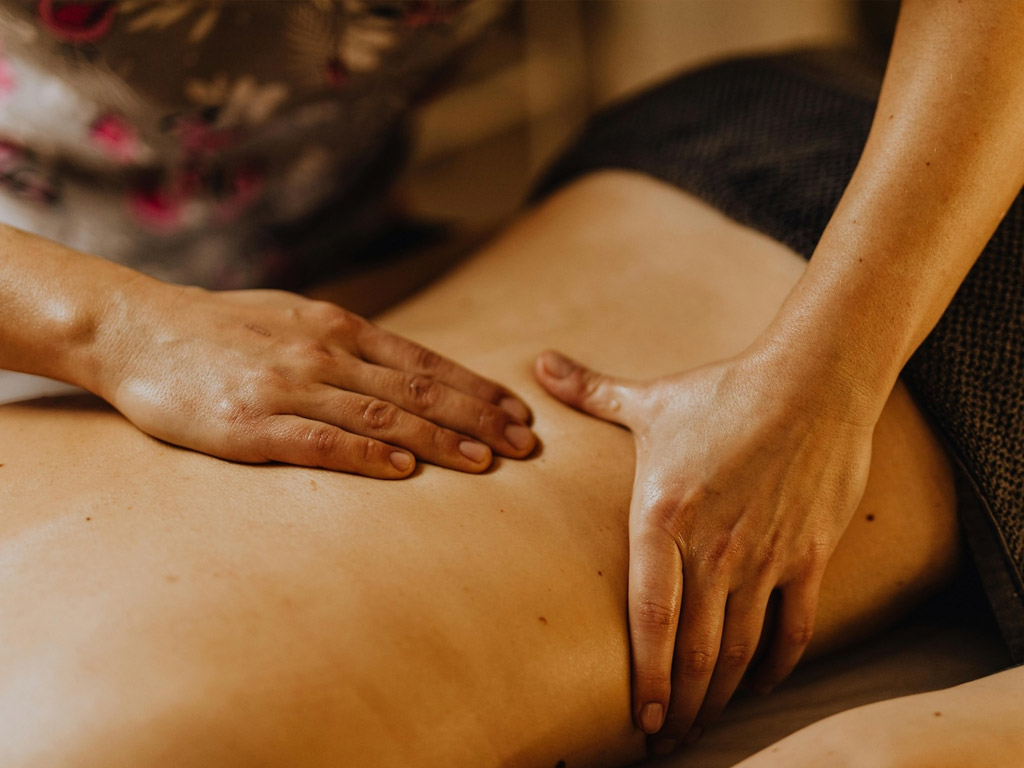
A Whole-Body Approach to Understanding Your Movement and Physical Health
Your body is an interconnected system. The way your joints move, how your muscles function, and how different structures work together can all influence how you feel and move throughout the day. Sometimes, discomfort isn’t necessarily limited to the area where you feel it. Restrictions in one part of the body may influence movement elsewhere, which is why looking at the bigger picture can be an important part of understanding certain musculoskeletal concerns.
At Paramount Family Chiropractic, we offer osteopathic manual treatment for individuals travelling from Caledonia and the surrounding communities. Our approach is grounded in the principles of classical osteopathy, with an emphasis on functional anatomy, careful assessment, and understanding the relationships between the body’s structures. Whether you’re experiencing stiffness, restricted mobility, muscular tension, or ongoing physical discomfort, our goal is to understand how your body is functioning and determine which hands-on treatment approaches may be appropriate.
If you’re exploring Caledonia osteopathy, we invite you to learn more about our approach and meet the practitioner providing osteopathic care at our Hamilton clinic.
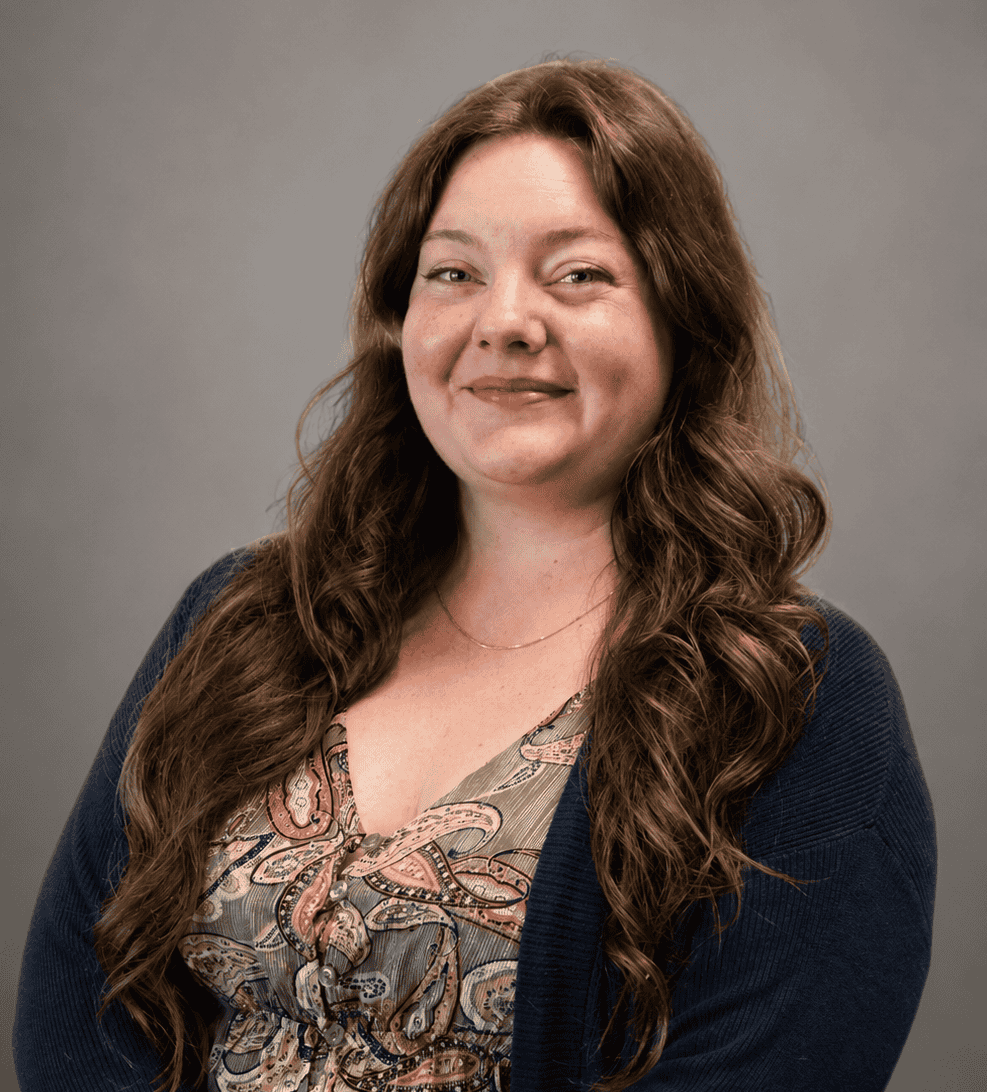
Meet Rebecca Guagliano – Osteopathic Manual Practitioner
Rebecca Guagliano, M.OMSc
At Paramount Family Chiropractic, Rebecca Guagliano brings a strong educational background in classical osteopathy and a thoughtful approach to understanding the human body. Rebecca completed a four-year Classical Osteopathy program at the Canadian Academy of Osteopathy, earning her qualification in Osteopathic Manipulative Sciences (M.OMSc). She has also been a member of the Ontario Osteopathic Association since 2019.
Education and Professional Qualifications:
- Master of Osteopathic Manipulative Sciences (M.OMSc).
- Four-year Classical Osteopathy program – Canadian Academy of Osteopathy.
- Member of the Ontario Osteopathic Association since 2019.
- Education in functional anatomy and biomechanics.
- Training in classical osteopathic principles and hands-on assessment techniques.
Her education involved extensive study of anatomy, biomechanics, osteopathic philosophy, and the relationships between the body’s different structures.
One of the central ideas behind her training is that the body should be understood as a connected system rather than a collection of unrelated parts. This philosophy influences how Rebecca approaches patient assessments and treatment. Instead of looking exclusively at the location of discomfort, she considers how different structures may interact and whether movement restrictions elsewhere could be relevant to the patient’s concerns. For individuals seeking Caledonia osteopathy, Rebecca offers a classical osteopathic approach that emphasizes careful observation, functional assessment, and individualized hands-on treatment.
Understanding the Principles of Classical Osteopathy
Osteopathy has a long-standing philosophy centred on the relationship between structure and function.
Classical osteopathy recognizes that the body’s muscles, joints, connective tissues, and other structures work together to support movement and physical function.
This philosophy is closely associated with the teachings of Dr. Andrew Taylor Still, the founder of osteopathy, who emphasized the importance of understanding the body as an integrated whole.
Rather than concentrating exclusively on an isolated area, classical osteopathic assessment considers how the body’s different structures relate to one another.
For example, restrictions in joint movement, changes in muscle tension, or limitations in soft tissue mobility may influence how other areas of the body function.
This doesn’t mean that every physical concern originates somewhere else. Rather, it recognizes that understanding movement sometimes requires looking beyond the immediate location of a symptom.
Rebecca incorporates these principles into her approach by considering functional anatomy, biomechanics, and the relationships between different musculoskeletal structures.
Our Caledonia osteopathy services reflect this philosophy through individualized assessments and hands-on treatment techniques selected according to each patient’s presentation.
What Happens During an Osteopathic Assessment?
An important part of Rebecca’s approach is taking the time to understand each patient’s individual circumstances before beginning treatment. People can experience similar symptoms for very different reasons. Their health history, physical activities, occupations, movement patterns, and previous injuries may all influence how their bodies function. That’s why assessment is such an important part of osteopathic manual treatment. During an appointment, Rebecca may consider:
- Your health history and current physical concerns.
- Areas of restricted joint movement.
- Muscle tension and soft tissue mobility.
- Postural and structural relationships.
- Functional movement patterns.
- How different areas of the body work together.
By considering these factors, Rebecca can develop a better understanding of your physical presentation and determine which manual techniques may be appropriate.
We believe that treatment should never feel like a predetermined routine. Every person deserves an approach that considers their individual needs, comfort, and circumstances.
How Can Osteopathic Manual Treatment Help?
People seek osteopathic manual treatment for many different reasons. Some experience ongoing stiffness or restricted movement, while others are looking for help with muscular tension or general musculoskeletal discomfort.
Depending on the individual’s circumstances, osteopathic manual treatment may be appropriate for people experiencing:
Back and Neck Discomfort
Restricted movement and muscular tension involving the back and neck can make everyday activities uncomfortable. Osteopathic assessment considers the movement and function of the surrounding structures when determining appropriate treatment.
Joint Stiffness and Mobility Restrictions
Joints need to move appropriately to support everyday activities. Restrictions in mobility can influence how comfortably you perform different movements. Hands-on osteopathic techniques may be used to address certain movement limitations.
Muscle Tension and Soft Tissue Restrictions
Muscles and connective tissues play an important role in supporting movement. Rebecca considers how these structures interact and may use appropriate hands-on techniques to address areas of tension or restricted mobility.
Postural and Structural Concerns
The way we sit, stand, work, and move throughout the day can place different demands on our bodies. Osteopathic assessment considers the relationships between different structures and how they contribute to overall movement.
General Movement Limitations
Sometimes people simply feel stiff, restricted, or less comfortable moving than they used to. A functional assessment can help identify areas where mobility may be limited and determine whether osteopathic treatment is appropriate.
It’s important to remember that treatment outcomes vary, and osteopathic manual therapy is not a substitute for medical assessment when symptoms require further investigation.
A Treatment Approach Based on the Individual
One of the most important aspects of osteopathy is recognizing that no two patients are exactly alike.
Someone who spends most of their day sitting at a desk may have very different movement patterns and physical demands from someone working in a physically demanding occupation.
Similarly, two people experiencing lower back discomfort may have entirely different contributing factors.
Rebecca’s approach to Caledonia osteopathy focuses on understanding these individual differences rather than automatically applying the same techniques to everyone.
Her treatment philosophy emphasizes:
- Careful observation and assessment.
- Understanding functional anatomy.
- Evaluating relationships between different body structures.
- Identifying relevant movement restrictions.
- Selecting appropriate hands-on osteopathic techniques.
- Respecting each patient’s individual needs and comfort.
We believe this attention to detail is an important part of providing thoughtful osteopathic care.
Why Choose Classical Osteopathy?
Classical osteopathy offers a distinct perspective on understanding the body’s structure, movement, and function. Rather than focusing solely on where discomfort is experienced, this approach considers the relationships between different anatomical structures and how they contribute to overall movement.
Rebecca’s four-year education at the Canadian Academy of Osteopathy provided extensive training in these principles, along with the functional anatomy and biomechanics that inform her assessments. For patients exploring Caledonia osteopathy, this provides an opportunity to receive care from a practitioner whose training is specifically rooted in classical osteopathic philosophy. At Paramount Family Chiropractic, we appreciate the importance of having practitioners with different educational backgrounds and areas of expertise. Rebecca’s osteopathic training brings another perspective to the range of healthcare services available at our clinic.
Osteopathy as Part of a Multidisciplinary Healthcare Clinic
At Paramount Family Chiropractic, we recognize that people may benefit from different healthcare approaches depending on their physical concerns. Alongside osteopathic manual treatment, our clinic offers:
- Chiropractic care.
- Physiotherapy.
- Registered massage therapy.
Each service brings a different perspective and area of expertise. Some patients visit specifically for osteopathic treatment, while others may have questions about additional services that could be appropriate for their circumstances. Having different practitioners within one clinic allows us to consider a broader range of treatment options when needed. Our goal is not to fit everyone into the same approach, but to help patients understand their options and make informed decisions about their care.
A Clinic Built on Experience and Personal Attention
Paramount Family Chiropractic first opened its doors in 1992. Over the years, our clinic has grown to include several healthcare services and a team of practitioners with different backgrounds and areas of expertise. Although much has changed, one thing has remained important to us: making sure people feel comfortable and listened to when they visit. We understand that seeking treatment can sometimes feel unfamiliar, particularly if you’ve never experienced osteopathic manual therapy before. That’s why we encourage questions and open communication. We want patients to understand what their practitioner is assessing, why certain techniques may be recommended, and what to expect during treatment. Rebecca’s approach reflects these same values through careful assessment, attention to detail, and respect for each individual.
Looking for an Osteopathic Manual Practitioner Near Caledonia?
If you’re interested in learning more about osteopathic manual treatment, Rebecca Guagliano and the team at Paramount Family Chiropractic would be happy to answer your questions. Rebecca’s education in Classical Osteopathy, qualification in Osteopathic Manipulative Sciences (M.OMSc), and membership in the Ontario Osteopathic Association provide the foundation for her thoughtful, hands-on approach to patient care. Whether you’re experiencing restricted mobility, muscular tension, stiffness, or ongoing musculoskeletal discomfort, we invite you to explore whether osteopathic manual treatment may be appropriate for your needs.
Contact Paramount Family Chiropractic today to learn more about our osteopathic services near Caledonia or arrange an appointment with Rebecca Guagliano. We look forward to welcoming you to our clinic!