

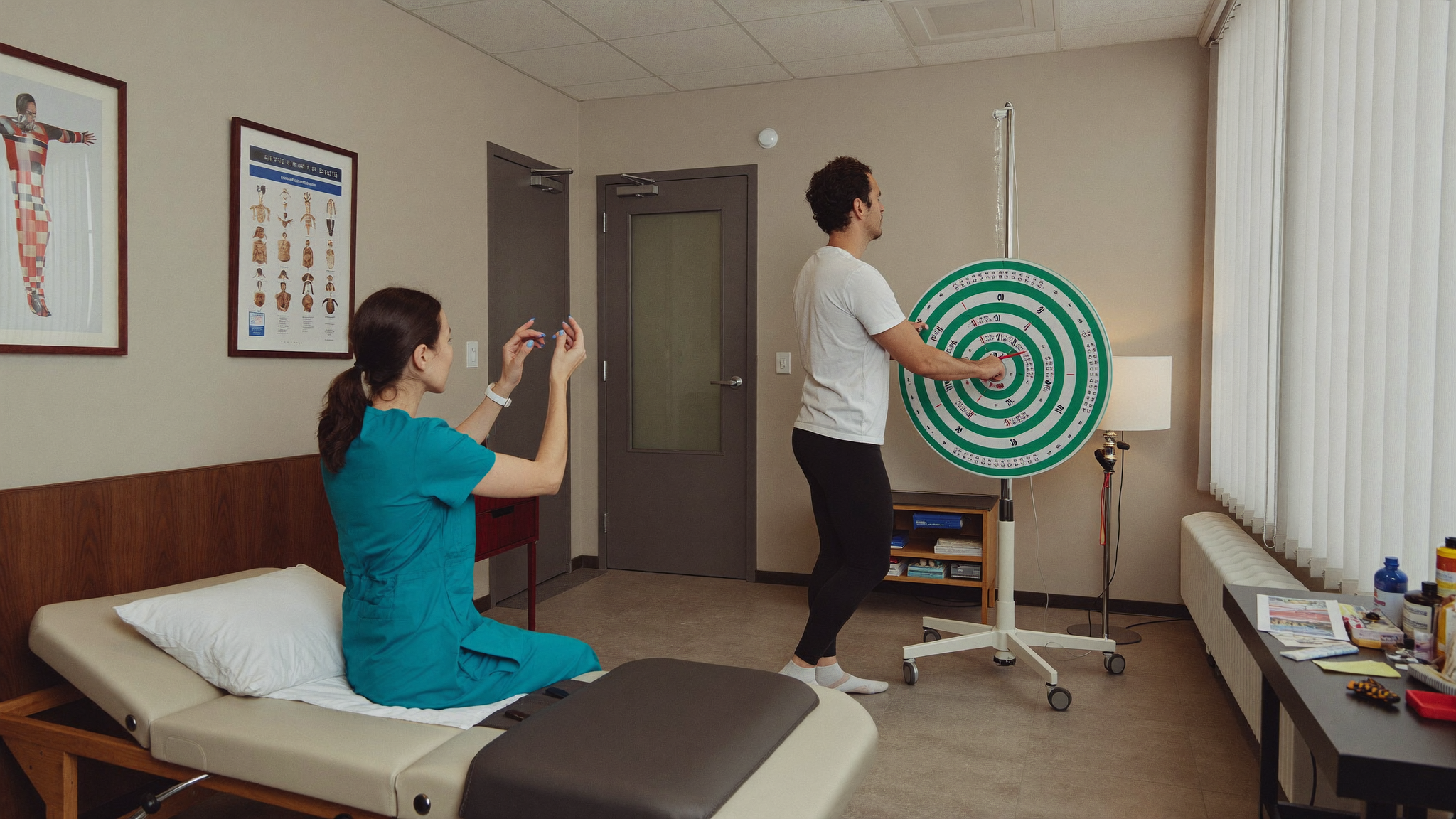
Concussion management has evolved significantly in recent years — “rest in a dark room until symptoms disappear” has given way to a more active, structured approach, and physiotherapy plays a central role in that modern recovery process.
Beyond Rest: A Modern Approach to Concussion Recovery
While an initial period of rest is still appropriate immediately after a concussion, prolonged strict rest is no longer considered the best path to recovery for most people. Instead, a gradual, monitored return to light activity — guided by symptom response — tends to support better outcomes.
How Physiotherapy Supports Recovery
Physiotherapists trained in concussion management can assess areas commonly affected by concussion, including balance, neck function (since whiplash-type neck injuries often accompany concussions), and tolerance for physical exertion — then build a graduated program that reintroduces activity in a controlled, symptom-guided way.
The Vestibular Connection
Dizziness, balance issues, or visual disturbances after a concussion often point to vestibular system involvement, which physiotherapy can specifically address through targeted vestibular rehabilitation exercises.
Returning to School, Work, and Sport
A properly graduated return-to-activity plan — moving through stages from light activity to full return, with symptoms monitored at each step — helps reduce the risk of setbacks and supports a more confident, complete recovery, particularly important for young athletes returning to contact sports.
Recovering From a Concussion?
If you or your child is dealing with post-concussion symptoms, learn more about our physiotherapy services or book an assessment with our Hamilton clinic.



0 Comments